Positive Emotions Programme for Schizophrenia (PEPS)

The Positive Emotions Programme for Schizophrenia (PEPS) is a group programme designed to reduce anhedonia and apathy by increasing cognitive control of positive emotions. The programme consists of eight one-hour sessions, administered using multimedia material (visual and audio) presented in the form of PowerPoint files projected onto a screen. Groups are made up of 5 to 10 participants. Each session begins with a welcome and a relaxation or meditation exercise. In the second session, the facilitators review the home task that was prescribed at the end of the previous session. The session continues with a challenge to a defeatist belief, followed by the learning of a skill to improve the anticipation, maintenance, increase or re-actualisation of positive emotions. The session ends with the prescription of a task for the following session. The skills taught are: savouring the pleasant experience, expressing emotions behaviourally, capitalising on positive moments and anticipating pleasant moments.

To find out more

Nguyen A, Frobert L, McCluskey I, Golay P, Bonsack C, Favrod J: Development of the Positive Emotions Program for Schizophrenia: An Intervention to Improve Pleasure and Motivation in Schizophrenia. Front Psychiatry 2016;7:13.

Favrod J, Nguyen A, Fankhauser C, Ismailaj A, Hasler JD, Ringuet A, Rexhaj S, Bonsack C: Positive Emotions Program for Schizophrenia (PEPS): a pilot intervention to reduce anhedonia and apathy. BMC Psychiatry 2015;15:231.

Favrod J, Nguyen A, Chaix J, Pellet J, Frobert L, Fankhauser C, Ismailaj A, Brana A, Tamic G, Suter C, Rexhaj S, Golay P, Bonsack C: Improving Pleasure and Motivation in Schizophrenia: A Randomized Controlled Clinical Trial. Psychotherapy and Psychosomatics 2019:1-12.

Favrod J, Nguyen A, Tronche AM, Blanc O, Dubreucq J, Chereau-Boudet I, Capdevielle D, Llorca PM: Impact of Positive Emotion Regulation Training on Negative Symptoms and Social Functioning in Schizophrenia: A Field Test. Front Psychiatry 2019;10:532.

O Positive Emotions Programme for Schizophrenia (PEPS) é um programa de grupo destinado a reduzir a anedonia e a apatia através do aumento do controlo cognitivo das emoções positivas. O programa consiste em oito sessões de uma hora, administradas com recurso a material multimédia (visual e sonoro) apresentado sob a forma de ficheiros PowerPoint projectados num ecrã. Os grupos são constituídos por 5 a 10 participantes. Cada sessão começa com uma saudação de boas-vindas e um exercício de relaxamento ou de meditação. Na segunda sessão, os facilitadores revêem a tarefa de casa que foi prescrita no final da sessão anterior. A sessão continua com um desafio a uma crença derrotista, seguido da aprendizagem de uma competência para melhorar a antecipação, manutenção, aumento ou reactualização de emoções positivas. A sessão termina com a prescrição de uma tarefa para a sessão seguinte. As competências ensinadas são: saborear a experiência agradável, exprimir as emoções de forma comportamental, capitalizar os momentos positivos e antecipar os momentos agradáveis.

Para mais informações

Nguyen A, Frobert L, McCluskey I, Golay P, Bonsack C, Favrod J: Development of the Positive Emotions Program for Schizophrenia: An Intervention to Improve Pleasure and Motivation in Schizophrenia. Front Psychiatry 2016;7:13.

Favrod J, Nguyen A, Fankhauser C, Ismailaj A, Hasler JD, Ringuet A, Rexhaj S, Bonsack C: Positive Emotions Program for Schizophrenia (PEPS): a pilot intervention to reduce anhedonia and apathy. BMC Psychiatry 2015;15:231.

Favrod J, Nguyen A, Chaix J, Pellet J, Frobert L, Fankhauser C, Ismailaj A, Brana A, Tamic G, Suter C, Rexhaj S, Golay P, Bonsack C: Improving Pleasure and Motivation in Schizophrenia: A Randomized Controlled Clinical Trial. Psychotherapy and Psychosomatics 2019:1-12.

Favrod J, Nguyen A, Tronche AM, Blanc O, Dubreucq J, Chereau-Boudet I, Capdevielle D, Llorca PM: Impact of Positive Emotion Regulation Training on Negative Symptoms and Social Functioning in Schizophrenia: A Field Test. Front Psychiatry 2019;10:532.

La letteratura più recente ha distinto i sintomi negativi associati alla ridotta capacità di esperienza (apatia, anedonia) da quelli associati alla ridotta capacità di espressione (affettività ridotta, alogia). La sindrome dell’apatia e dell’anedonia tende ad essere associata ad una prognosi meno buona rispetto a quella associata a una ridotta espressione, suggerendo che questo costituisca un aspetto più grave della psicopatologia. Questa sindrome è anche associata alla durata della psicosi non trattata, ad una storia familiare di schizofrenia e allo status professionale al momento del primo episodio psicotico. La distinzione tra queste due sindromi, esperienza ridotta ed espressione ridotta, probabilmente consente un approccio più specifico al problema.

Il programma Emozioni Positive per la Schizofrenia (PEPS) è un intervento di gruppo che cerca di ridurre l’anedonia e l’apatia aumentando il controllo cognitivo delle emozioni positive. È un programma che si sviluppa in 8 sessioni della durata di circa un’ora, gestito attraverso l’utilizzo di materiale multimediale (visivo e sonoro) presentato in file PowerPoint proiettati su uno schermo. I gruppi sono composti da un numero di partecipanti compreso tra 5 e 10. Ciascuna sessione inizia con un benvenuto e un esercizio di rilassamento o meditazione. Dalla seconda sessione, i facilitatori riesaminano il compito assegnato per casa alla fine della sessione precedente. La sessione continua con la messa in discussione di una convinzione disfattistica/autosvalutativa, quindi con l’apprendimento di un’abilità per migliorare l’anticipazione, il mantenimento, l’aumento o la razionalizzazione delle emozioni positive. La sessione termina con la prescrizione di un’attività da completare a casa per la sessione successiva. Le abilità insegnate sono: assaporare l’esperienza piacevole, esprimere le emozioni in maniera comportamentale, capitalizzare i momenti positivi e anticipare i momenti piacevoli.
La formazione alla conduzione del programma PEPS si chiama ForPEPS e consente di ampliare le proprie abilità di insegnamento e di sviluppare un approccio collaborativo.

Traduzione italiana: Giovanni Soro

Informazioni su PEPS

Nguyen A, Frobert L, McCluskey I, Golay P, Bonsack C, Favrod J: Development of the Positive Emotions Program for Schizophrenia: An Intervention to Improve Pleasure and Motivation in Schizophrenia. Front Psychiatry 2016;7:13.

Favrod J, Nguyen A, Fankhauser C, Ismailaj A, Hasler JD, Ringuet A, Rexhaj S, Bonsack C: Positive Emotions Program for Schizophrenia (PEPS): a pilot intervention to reduce anhedonia and apathy. BMC Psychiatry 2015;15:231.

Favrod J, Nguyen A, Chaix J, Pellet J, Frobert L, Fankhauser C, Ismailaj A, Brana A, Tamic G, Suter C, Rexhaj S, Golay P, Bonsack C: Improving Pleasure and Motivation in Schizophrenia: A Randomized Controlled Clinical Trial. Psychotherapy and Psychosomatics 2019:1-12.

Favrod J, Nguyen A, Tronche AM, Blanc O, Dubreucq J, Chereau-Boudet I, Capdevielle D, Llorca PM: Impact of Positive Emotion Regulation Training on Negative Symptoms and Social Functioning in Schizophrenia: A Field Test. Front Psychiatry 2019;10:532.

Strumenti di valutazione in italiano

Merlotti E, Mucci -a, Bucci P, Nardi A, Galderi S: Versione italiana della “Brief Negative Symptom Scale”. Journal of Psychopathology 2014;20:199-215.

Dollfus S, Delouche C, Hervochon C, Mach C, Bourgeois V, Rotharmel M, Trehout M, Vandevelde A, Guillin O, Morello R: Specificity and sensitivity of the Self-assessment of Negative Symptoms (SNS) in patients with schizophrenia. Schizophr Res 2019;211:51-55.

Auto-valutazione dei Sintomi Negativi è disponibile in italiano
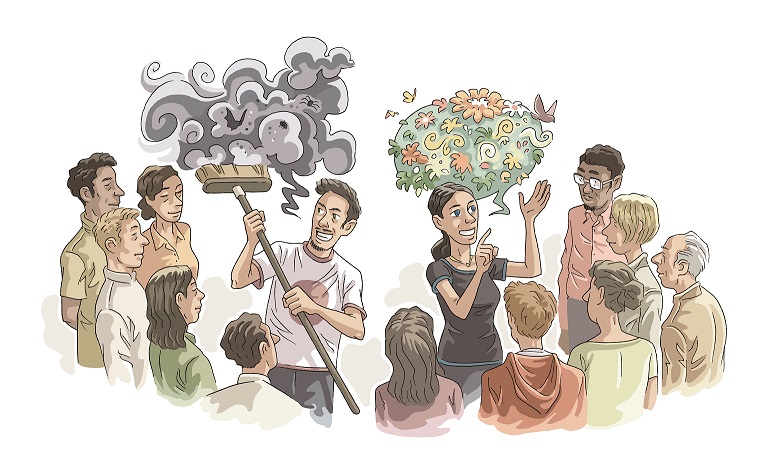
Programi emocione pozitive për skizofreninë (PEPS), është një program grupor që mundohet  të ulë anhedoninë  (vështiresia për ta parashikuar ose përjetuar kënaqësinë) dhe apatinë duke rritur kontrollin kognitiv të emocioneve pozitive. Bëhet fjalë për tetë seanca  një orëshe, që jepen me anë të materialeve multimediale (vizuale dhe zanore) të cilat prezantohen ne formë PowerPoint që shfaqen në një ekran. Grupet përbëhen nga 5 deri në 10 pjesmarrës. Çdo seancë fillon me mirëpritjen dhe një ushtrim relaksimi ose meditimi. Që nga seanca e dytë, animatorët rishikojnë detyrën e shtëpisë që është dhënë në fund të seancës  së mëparshme. Seanca vijon me vënien në diskutim të një besimi disfatist, pastaj me mësimin e një kompetence për të përmirësuar parashikimin, mbajtjen, shtimin apo riaktualizimin e emocioneve pozitive. Seanca pëfundon me dhënien e detyrës për seancen e ardhshme. Kompetencat e mësuara janë: shijimi i përvojës së këndshme, shprehja e emocioneve nëpërmes sjelljeve, kapitalizimi i momenteve pozitive dhe parashikimi i momenteve të këndshme

Favrod J, Nguyen A, Tronche AM, Blanc O, Dubreucq J, Chereau-Boudet I, Capdevielle D, Llorca PM: Impact of Positive Emotion Regulation Training on Negative Symptoms and Social Functioning in Schizophrenia: A Field Test. Frontiers in Psychiatry 2019;10:532.

Favrod J, Nguyen A, Chaix J, Pellet J, Frobert L, Fankhauser C, Ismailaj A, Brana A, Tamic G, Suter C, Rexhaj S, Golay P, Bonsack C: Improving Pleasure and Motivation in Schizophrenia: A Randomized Controlled Clinical Trial. Psychotherapy and Psychosomatics 2019, 88:84-95.

Nguyen A, Frobert L, McCluskey I, Golay P, Bonsack C, Favrod J: Development of the positive emotions program for schizophrenia: An intervention to improve pleasure and motivation in schizophrenia. Front Psychiatry 2016;7:13.

Uka F, Repišti S, Arenliu A, Ramadani F, Bërxulli D, Konjufca J, Jovanović N: Factor structure of the Albanian version of the Clinical Assessment Interview for Negative Symptoms (CAINS): Associations with the Brief Symptoms Inventory (BSI). 2020:000010247820200013.

Kikoze est un outil de partage de l’expérience des voix permet à la personne qui les entend de donner des informations sur ce qu’elle vit avec ses voix. Sous l’onglet « ressources », Blaise Rochat présente les stratégies pour faire face aux voix pénibles et vous trouverez des fichiers audios utiles pour faire face aux voix.

Kikoze peut être obtenu auprès d’HorizonSud à info@horizonsud.ch